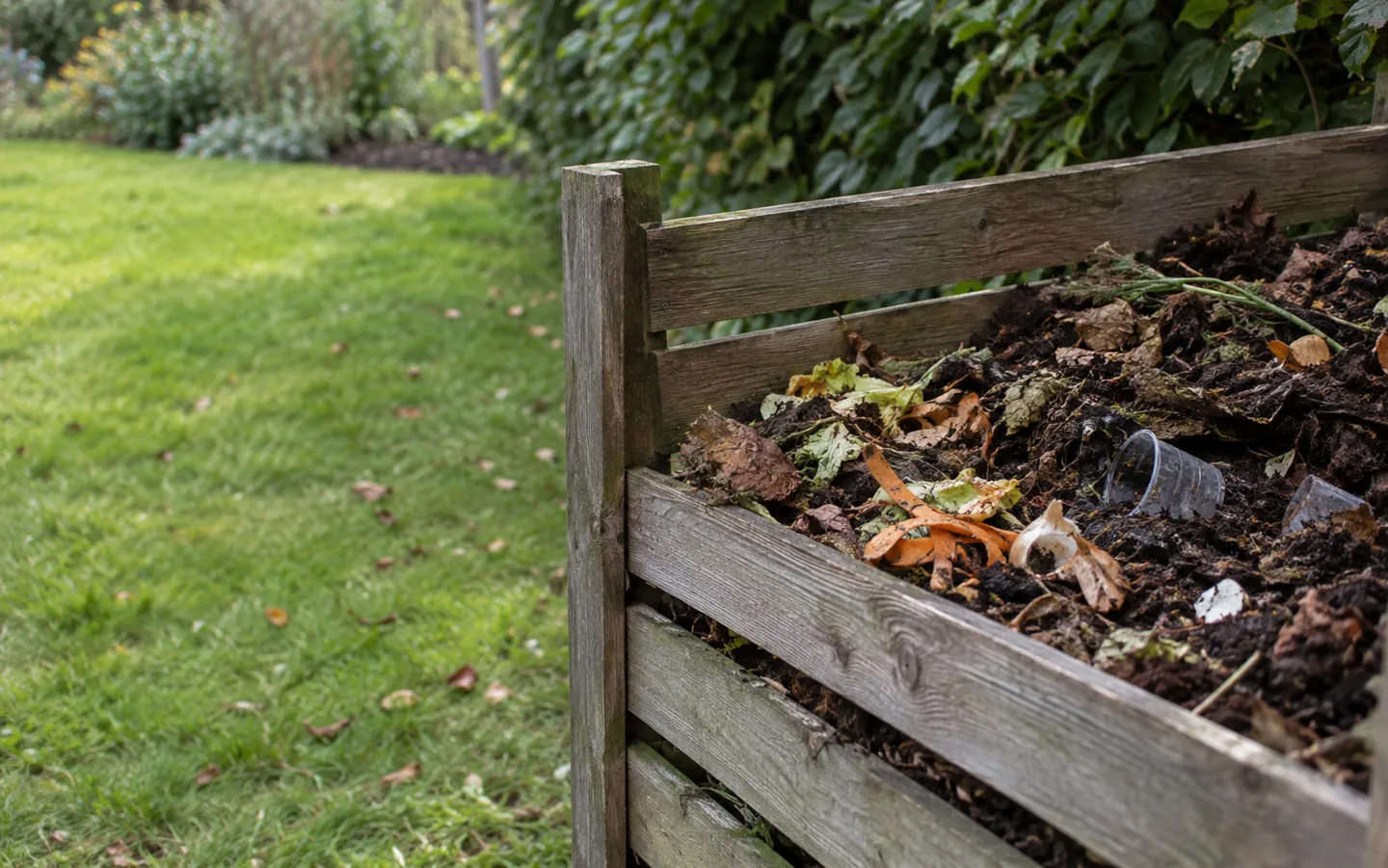
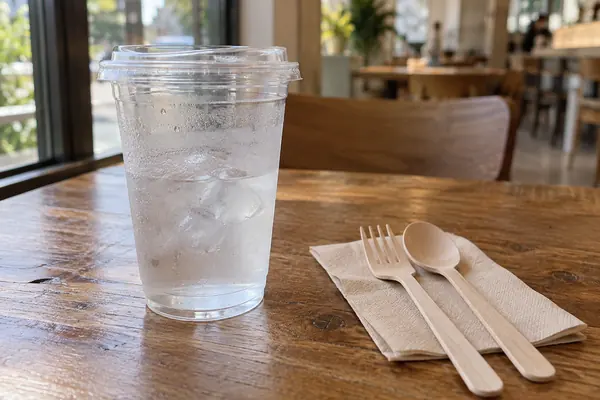
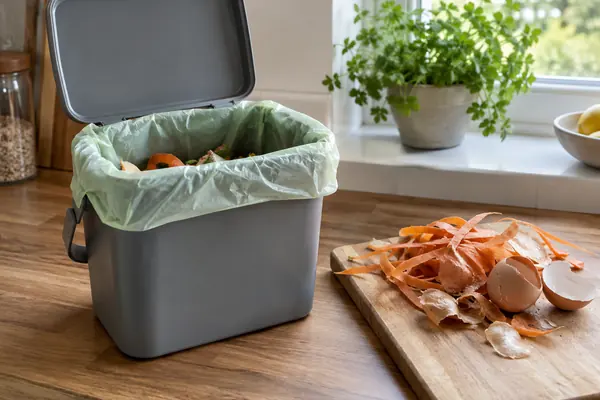
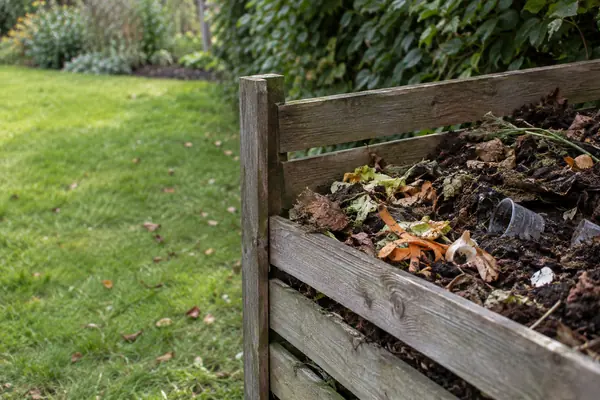
A compostable label is an instruction, not a promise.
PLA, a plant-based plastic, is one of the most commonly marketed compostable plastics. Most compostable packaging is made for hot industrial composting, and UK guidance says it must never go in with plastic recycling.
AI-generated image, not a photograph of a real person or place.
Read the label
Keep it out of plastic recycling
Ask your council
The right bin matters more than the material
THE SHORT ANSWER
Follow the label, not the hope.
Compostable plastics are designed to break down, which is exactly why they cannot be recycled.
RECYCLING
Never in with plastics
Recycle Now says never put compostable plastic in the recycling with other plastics, because it is designed to break down and cannot be recycled in the same way.
Pick an item to see what UK guidance says to do with it. The bar shows how strictly the guidance limits where it can go.
Based on Recycle Now guidance. Collections differ between councils; your local authority has the final word on what it accepts.
TWO NUMBERS WORTH KNOWING
Hot heaps, cold reality.
The conditions compostables are designed for, and what happened in real gardens.
55–70°C
Optimal industrial composting temperature
With high humidity and oxygen. The government notes that materials that break down in industrial composters may not break down under home composting conditions.
CONDITIONS · DEFRA
60%
Certified home compostable items that did not fully disintegrate
1,648 people ran home compost tests. The authors concluded home composting is not an effective way to deal with compostable packaging in the UK.
HOME COMPOST · UCL
WRAP says less than 1% of UK plastic packaging is compostable today. In the UCL study, 14% of items tested were certified industrial compostable only and 46% had no compostable certification at all.
FOUR HABITS TO TRY
Sort it right, first time.
These steps follow Recycle Now's guidance and what the research found about labels and heaps.
Read the whole label
Look for whether it says home or industrial compostable. Packaging should specify which.
Keep it out of plastics
Compostable plastic never goes in your plastic recycling, even if it looks just like ordinary plastic.
Ask about food and garden waste
If your council collects food or garden waste for composting, check whether it accepts compostable items.
Check your heap
If you home compost a labelled item, look for fragments when you use the compost. Many do not fully break down.
AI-generated image, not a photograph of a real person or place.AI-generated image, not a photograph of a real person or place.
WHAT THE STANDARD ASKS
Tested in ideal conditions.
Under the EN 13432 standard, no more than 10% of the original material may remain on a 2 mm sieve after 3 months, and 90% of its carbon must turn to carbon dioxide within 6 months, under industrial composting conditions.
Real plants are less forgiving. Defra's evidence review found most industrial composters do not welcome any plastic and remove it before composting, and anaerobic digestion plants usually screen plastics out, sending them to landfill or incineration.
Questions
Questions people ask
What is PLA?
Polylactic acid. The UCL researchers list it among the most commonly marketed bio-based compostable plastics, alongside PHA, PBS and starch and cellulose blends.
Can compostable plastic go in my recycling bin?
No. Recycle Now says never to put compostable plastic in with other plastic recycling, because it is designed to break down and cannot be recycled in the same way.
Is biodegradable the same as compostable?
No. Defra describes compostable plastics as a subset of biodegradable plastics that break down under composting conditions. Biodegradability depends on temperature, humidity, microorganisms and oxygen.
Will home compostable packaging break down in my garden?
Sometimes, but often not fully. In UCL's Big Compost Experiment, 60% of items certified home compostable did not fully disintegrate in real home compost.
What does 'bioplastic' mean?
It is a loose catch-all for bio-based and biodegradable plastics. Defra's evidence suggests the term is ambiguous and offers little value to the public, so look for clearer labels.